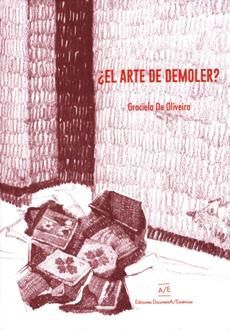
Estamos, al publicar este libro, en medio de una pandemia con finales impredecibles. Es una vez más, una fabricación humana producto de la falta de respeto al mundo y a sus habitantes. Cuando termine, los efectos nos harán replantear otra vez el problema de como cargar con un equipaje que la historia condenó por ser éticamente inaceptable, de cuanta memoria se guarda y de cuanta se reescribe para mejorar el futuro. Una posición es que la memoria es intocable, hay que mantener la parte visual con los rastros y sus monumentos porque describe a los criminales con su entorno, eso sirve como advertencia. La otra es borrar lo más posible, hacer una limpieza para así construir un futuro cristalino vació de interferencias. Las interrogantes siguen presentes hoy porque las autocracias vuelven a estar en acecho. Esta vez no localmente sino a nivel mundial y en respuesta a un simple virus. Es un virus que supera las viejas ideologías y que acentuará todos los problemas sobre las cuales las ideologías se habían enfrentado. ¿El arte de demoler? De Graciela de Olivares es un diario de actividades que lidia con estos interrogantes, de cómo funciona el paso en el presente. Narra objetivamente las opiniones y datos acumulados durante el proyecto Demolición/Construcción en Córdoba entre 2008 y 2012. Al discutir los efectos de las memorias -evaluando qué cosas se guardan, qué cosas se demuelen, qué se construye- también las mantiene vivas.
An artistic five-year testimony of shared works on the possibility of building an artistic platform from demolition -as an idea- associated with an architectural projects in Córdoba, Argentina between 2008 and 2012. D/C (Demolición/Construcción (ÓN/ÓN)) was created in 2007 by architect and artist Graciela De Oliveira (Oberá, Misiones 1967). in a dwelling intended for demolition: the house on the street 12 de Octubre 433 of the Barrio Ducasse in Córdoba. It is an interdisciplinary artistc project that operates from and for the field of contemporary art with various collaborators and guests in each project. Currently the projects under development are: Casa/EStudio B'ataz' residence of the Foundation D/C ; "Ejercicios Nidales" started in 2010 in Cabana, Córdoba; 2011 en Residencia "desegno" CEIA, Belo Horizonte; 2015 Tolhuin, Tierra del Fuego in residence of "ArteInSitu"; "Nómadamente" horizontal participation of authors from Mexico, Brazil, Spain and Argentina (started in 2010) and diverse open design and sustainability workshops. "We are, as we publish this book, in the midst of a pandemic with unpredictable endings. It is once again a human fabrication product of the lack of respect for the world and its inhabitants. When it is over, the effects will make us rethink the problem of how to carry a baggage that history condemned as being ethically unacceptable, how much memory is kept and how much is rewritten to improve the future. One position is that memory is untouchable, you have to keep the visual part with the traces and their monuments because it describes the criminals with their environment, that serves as a warning. The other is to erase as much as possible, to do a cleaning in order to build a future crystalline empty of interference. The questions are still present today because autocracies are once again lurking. This time not locally but globally and in response to a simple virus. It is a virus that surpasses the old ideologies and that will accentuate all the problems over which the ideologies had faced. The art of demolishing? De Graciela de Olivares is a diary of activities that deals with these questions, of how the step works in the present. Objectively narrates the opinions and data accumulated during the Demolition/Construction project. By discussing the effects of memories-evaluating what things are kept, what things are demolished, what is constructed-he also keeps them alive." (HKB Translation) --Verso Cover.